Play 02 · Why it matters

Your brain isn’t a toughness test.

A concussion is a brain injury, even if you never pass out. Most athletes recover well with the right care. The risk comes from brushing off symptoms, taking another hit before you have recovered, or treating repeat impacts like part of the game.

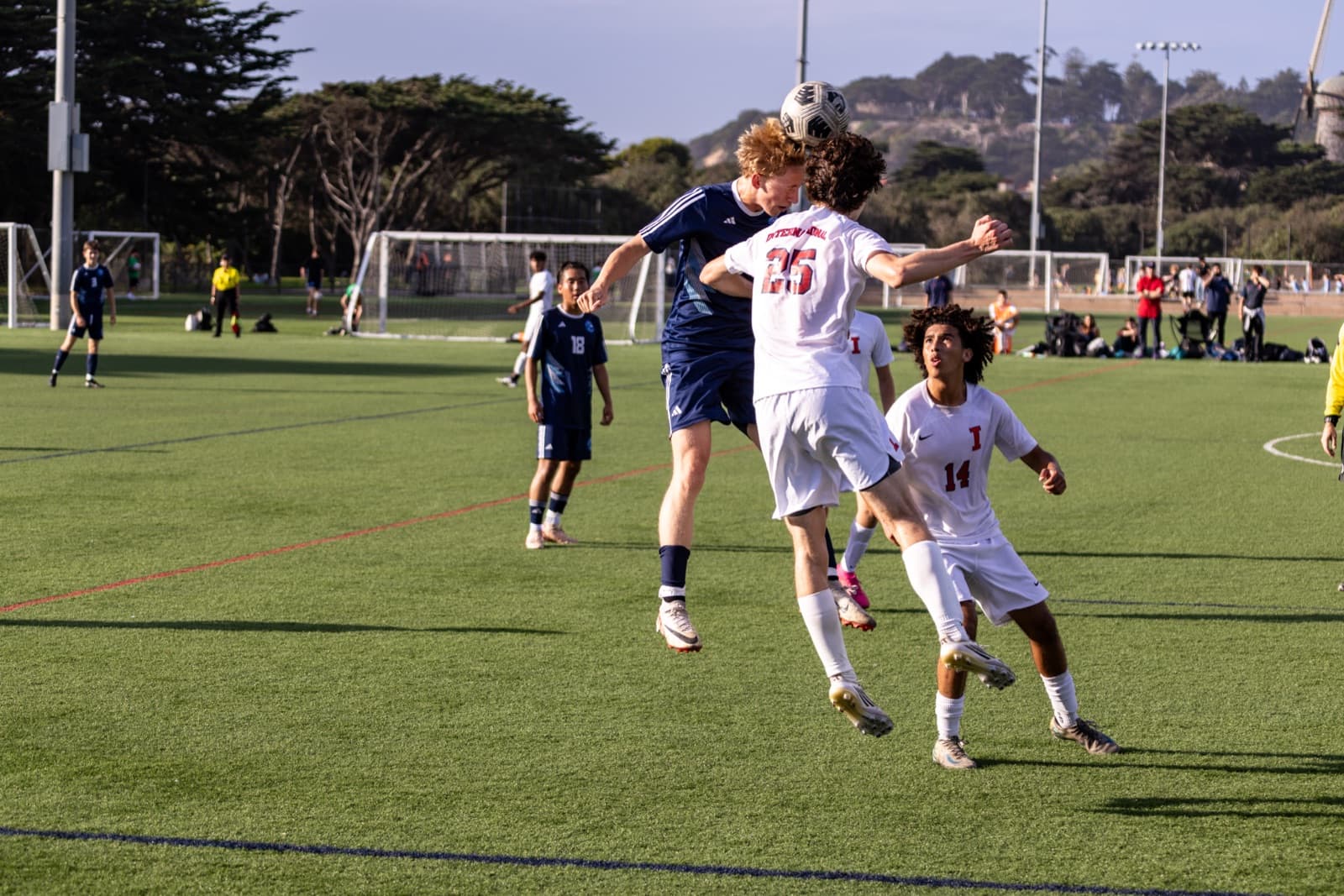
Two high school soccer players contesting an aerial ball during a match.
The invisible injury

No bruise doesn’t mean no injury.

A cut or a sprained ankle gives you something to see. A concussion often does not. You can look normal while your brain is dealing with headache, dizziness, slowed thinking, or a feeling that something is off. Symptoms can also appear hours or days after a hit, fall, or collision.

Your next choice matters

A second hit can cost more.

Returning while you still have symptoms increases the chance of another concussion and of a recovery that lasts longer or feels harder. That is why return to sport is gradual and guided—not a test of toughness.

More than the next game

Recovery can reach beyond the field.

Most young people feel better within a few weeks. Some need more time, and symptoms can affect school, sleep, mood, memory, and confidence—not just sports. Getting checked out and following a plan gives you the best chance of a steady return.

Repeated impacts

Take the pattern seriously. Hold the conclusions carefully.

Studies of former elite male soccer players have found higher rates of neurodegenerative disease in outfield players than in matched controls, while goalkeepers were closer to population rates. That pattern is one reason researchers take repeated head impacts seriously. It is not a prediction about any one athlete playing today.

What the science can say

Clear enough to act. Honest about what is still unknown.

What we know
  • Repeat concussions and head impacts deserve prevention, reporting, and medical attention.
  • A concussion before full recovery can mean more serious or longer-lasting symptoms.
  • CTE can only be diagnosed after death—not from a symptom checklist or a single concussion.
What researchers are still learning
  • We cannot predict long-term outcomes for one high-school athlete.
  • Older professional-player studies do not perfectly represent today’s players, equipment, or rules.
  • Researchers are still studying how head impacts, health history, genetics, and other factors interact over a lifetime.
Make the next call count

Pause. Tell someone. Get checked.

The point is not to scare you out of sport. It is to make the next decision easier after a hit, fall, or collision.