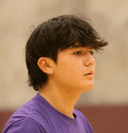
My concussion happened during a winter soccer tournament in 2024. I play goalkeeper, and so when I dove to make a save during a game, I hit my head pretty hard on the turf. I didn’t feel much, but I felt a little off, not really feeling like myself. I continued to play that entire weekend, which was another three games. As I kept playing, I kept feeling my head feeling worse and worse. I remember taking Advil multiple times throughout the day to keep the pain at a manageable level. After the tournament was over, I remember I was complaining for around 4 days that my head was hurting constantly, and eventually I got a doctor’s appointment booked. It ended up being a week before I was seen by the concussion specialist, and by then the pain had ramped up a lot. I went through several tests to determine how my brain was functioning and how my head was feeling. I got diagnosed with a concussion, but they never really told me what I was supposed to do to fully recover properly and in the shortest possible time.
Because I had no definitive recovery plan, I was clueless on what to do and how I could get back into play. I just took it easy and tried to stay away from screens or things that would strain my eyes and brain. When I went to train with my friends for a light session, I hit my head lightly again and got another concussion. Because I was still recovering, I was more susceptible to getting another concussion, so a light hit to the head was enough to do it.
I went back to the doctor, and I was diagnosed with another concussion. At that point I was very frustrated because I’ve had a concussion for almost three weeks now. I figured the doctor knew best because, after all, they are specialists while I’m not. However, what they didn’t tell me was about Post-Concussion Syndrome (PCS), which is a condition that has symptoms persisting for months to years after the initial concussion.
Throughout the five-ish months I had PCS, I experienced a multitude of symptoms. Some of the symptoms I had were occasional dizziness with exercise, confusion/fogginess in the head, poor memory, headaches, pressure in the head, fatigue, sensitivity to light and sounds, etc. These were all common symptoms that come with regular concussions and PCS, in my case, for major concussions, these lasted the entire recovery process.
Balancing school and recovery was probably one of the biggest challenges I faced. I spoke with the high school principal to seek help navigating the balance between recovery and academics. She was very helpful and supportive, giving me accommodations for extra time on assignments and tests so I wouldn’t have to push too hard so I would still be able to recover while keeping up with most major assignments.
The recovery process was long and, honestly, pretty frustrating. At first, I didn’t really know what I was supposed to do, so I just tried to rest and avoid things that made my symptoms worse. I stayed away from screens and reading and made sure I was getting a lot of sleep. School was difficult to manage while dealing with constant headaches and fatigue, but with accommodations like extra time on assignments and tests, I was able to keep up. Over time, I slowly started adding light physical activity back into my routine, but I had to be careful and stop whenever symptoms came back. Some days felt better than others. After several months of being patient, my symptoms gradually improved, and I was finally able to return to normal activities.
Getting back to playing goalie took a lot of patience. I started with very light activity and basic movement to make sure my head felt okay. Then I slowly added position-specific drills like footwork, positioning, and catching without diving. At first, I avoided contact and any drills where I could hit my head. I paid attention to how I felt during and after each session, and if symptoms came back, I stopped and rested. After gradually increasing intensity and not having any symptoms, I was finally able to return to full training and play in games again.